 Blog
A Practical Checklist for Choosing Quality Business Directories
Not every business directory is worth joining. Use this checklist to judge directory quality, relevance, and real value for your small business.
Read article
By admin · 4 min read
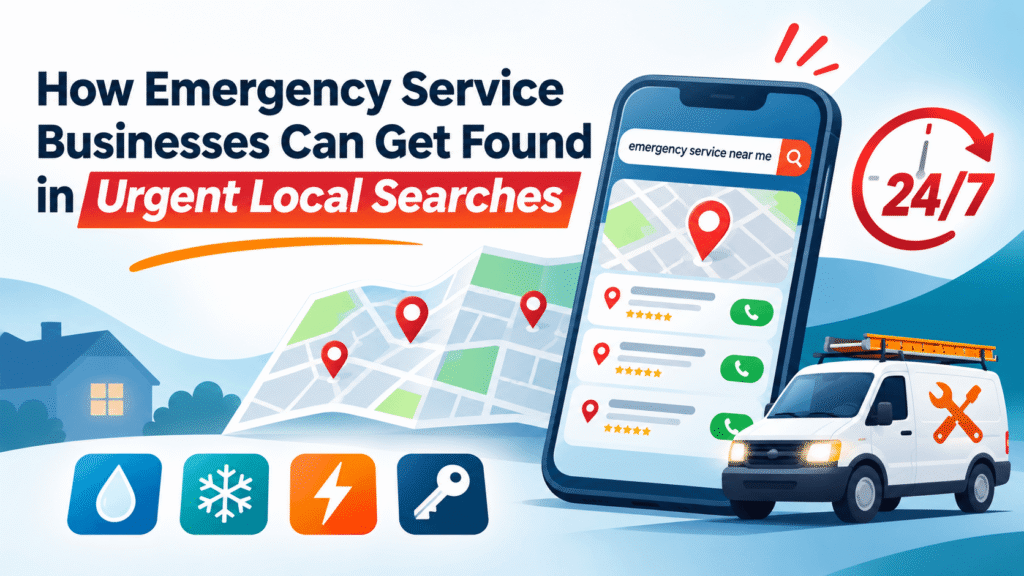
It’s 11 p.m. in suburban Ohio, and a homeowner is standing in an inch of water from a burst pipe. They aren’t going to read five websites or compare mission statements. They’ll grab a phone, search for an emergency plumber nearby, and call the first business that looks open, local, and legitimate.
For plumbers, HVAC technicians, locksmiths, and other urgent-service companies, that moment decides who gets the job. Showing up in local search with complete, trustworthy information is a big part of being the one who gets the call.
Someone searching for a 24-hour plumber has a narrow goal: find a nearby company that can help right now. Google says its local results are based mainly on relevance, distance, and prominence, so the details you publish about your services and service area matter.
In practice, the customer is scanning for a few things: a phone number that works, hours that confirm you’re available, and a service area that includes their neighborhood. If your Google Business Profile says you close at 5 p.m. while your website promises around-the-clock service, that mixed signal can send the caller to a competitor.
Start with the basics urgent customers check first:
Consider a two-truck plumbing company that switched phone systems last year. If the old number still appears on several online business listings, some customers will reach a disconnected line and simply move on.
Your website and Google Business Profile carry most of the load, but consistent listings elsewhere give customers more places to find and confirm your details. A homeowner who sees the same name, number, and service area across several sources has more reason to trust that the business is real and active.
A general business directory such as BOW Listing gives you another place to publish those details. Browsing its Plumbing and Plumbers category also shows how other local companies describe their services, which can help you spot gaps in your own description.
A common mistake is creating listings and never revisiting them. Set a quarterly reminder to check hours, phone numbers, and service areas, especially after moving, rebranding, or adding a location.
Emergency customers reward clarity. When your phone number, hours, and coverage area match everywhere they look, you remove the doubt that makes people keep scrolling. Start with your Google Business Profile, then confirm that every listing, including your BOW Listing profile, tells the same story. Results vary by market and competition, but accurate information is the foundation every other local marketing effort depends on.
Only promise what you can deliver. If you take overnight calls for specific problems, such as burst pipes or no-heat situations, say so in your listing description. Customers who call expecting full service and reach voicemail may leave a negative review, which can hurt trust more than clearly stated limited hours would.
Yes. Google lets service-area businesses that visit customers hide their address and show a service area instead, and many directories offer a similar option. Keep your business name and phone number consistent everywhere, and make sure the cities you list match the areas your trucks actually reach.
List the places you can realistically reach. Google allows up to 20 service areas and says the overall area shouldn’t extend farther than about two hours of driving from where your business is based. Overstating coverage leads to calls you can’t serve and frustrated customers who may not call again.
Listings on other sites aren’t a guaranteed path into Google’s map results, which rely on many signals, including relevance, distance, and prominence. What consistent listings can do is help customers verify your information and give you more places to be discovered. Treat them as one part of a broader local SEO effort.

Helping people find trusted local businesses — and helping those businesses get found.
Blog
Not every business directory is worth joining. Use this checklist to judge directory quality, relevance, and real value for your small business.
Read article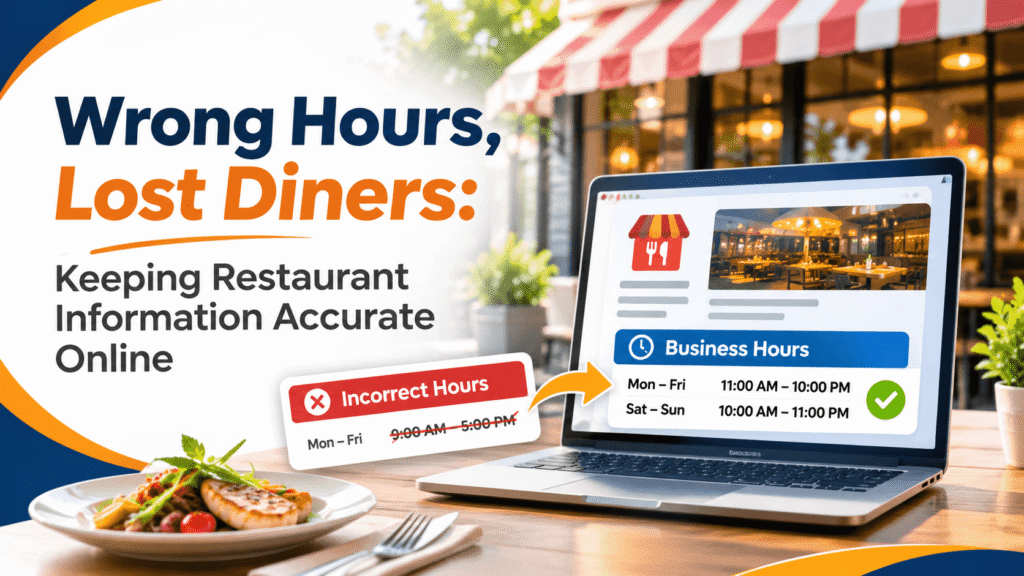 Blog
Wrong hours or old menus cost restaurants customers. Learn a simple routine to keep business information accurate on every listing and profile.
Read article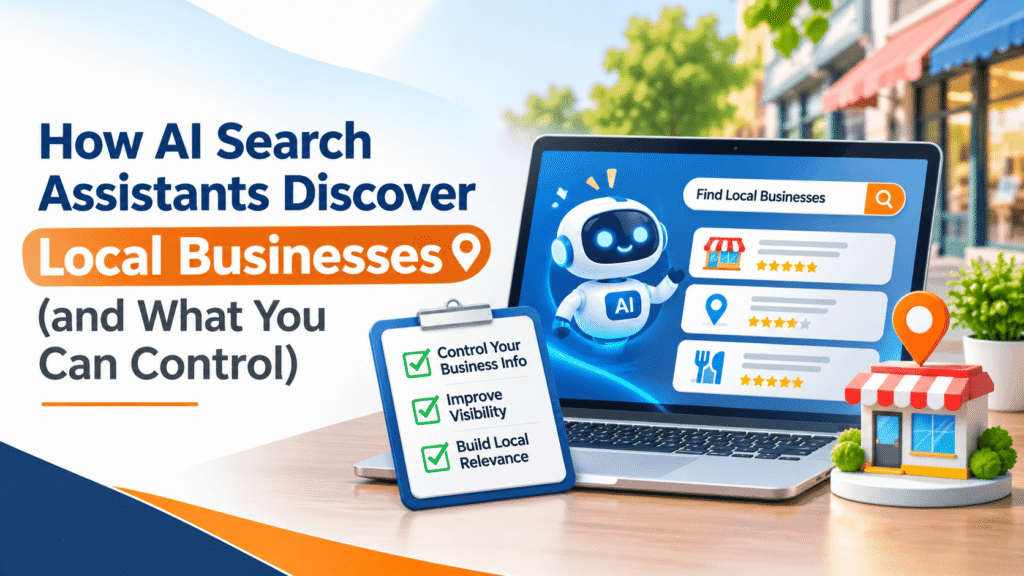 Blog
See how AI search assistants gather business information and what real estate pros and other local businesses can do to stay accurately described.
Read article